
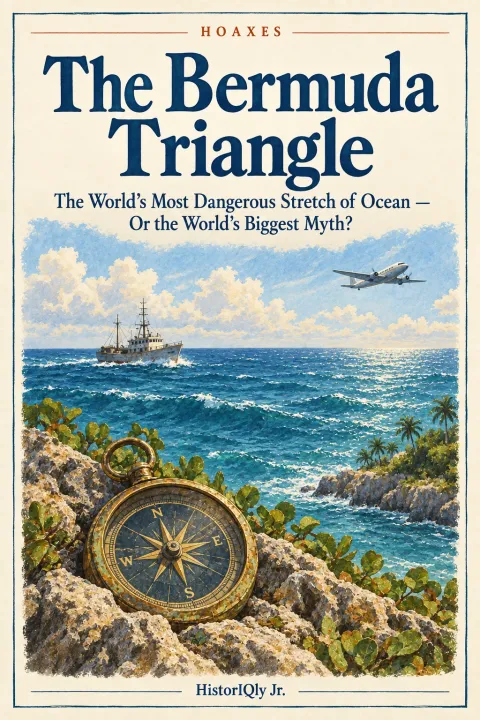
The Bermuda Triangle
The World's Most Dangerous Stretch of Ocean — Or the World's Biggest Myth?
On December 5, 1945, five Navy torpedo bombers took off from Fort Lauderdale on a routine training flight. They never came home. The rescue plane sent after them vanished too. Twenty-seven men, six aircraft, gone.
That story became the founding legend of the Bermuda Triangle — a 500,000-square-mile patch of ocean where ships and planes supposedly vanished without explanation. Charles Berlitz's 1974 book sold over ten million copies.
Then a librarian named Larry Kusche checked the facts. He found that almost everything the public believed about the Bermuda Triangle was wrong.
1964
Gaddis used the name in his 1964 Argosy article, helping popularise a connection between separate losses. Earlier writers had already linked disappearances in the region.
500K sq mi
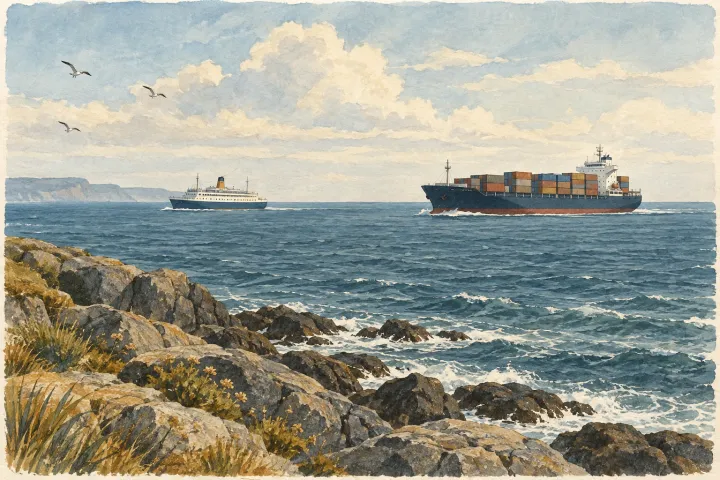
Roughly the size of Peru. One of the busiest shipping lanes on Earth.
10M+ copies
Translated into over 20 languages. Almost none of it was accurate.
11 Years
From Gaddis naming it (1964) to Kusche debunking it (1975).
The Evidence
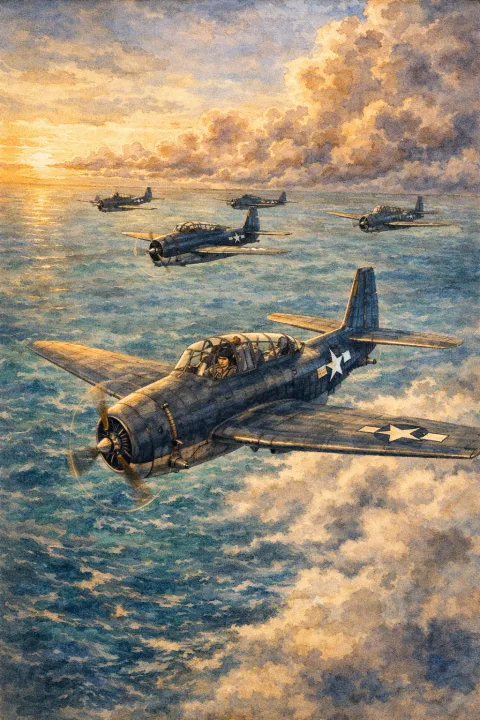
The Lost Squadron
Five TBM Avenger torpedo bombers vanished on December 5, 1945. The leader's compasses failed and he became disoriented. The planes ran out of fuel over open ocean at night. The rescue plane exploded shortly after takeoff.
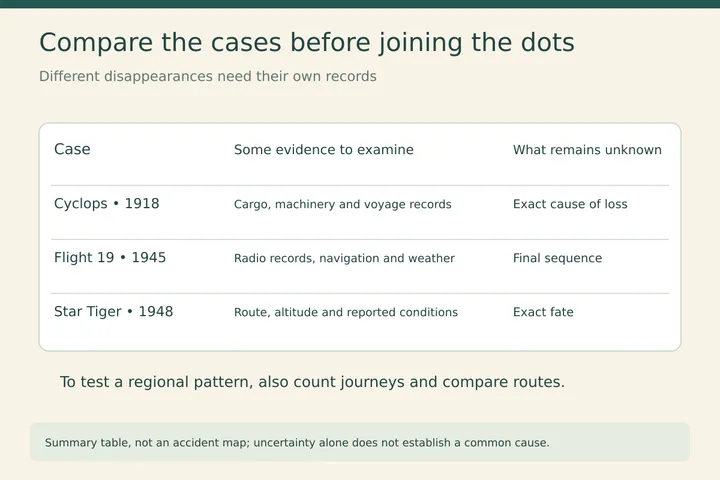
Compare the cases before joining the dots
Different disappearances need their own records. Summary table, not an accident map; uncertainty alone does not establish a common cause.
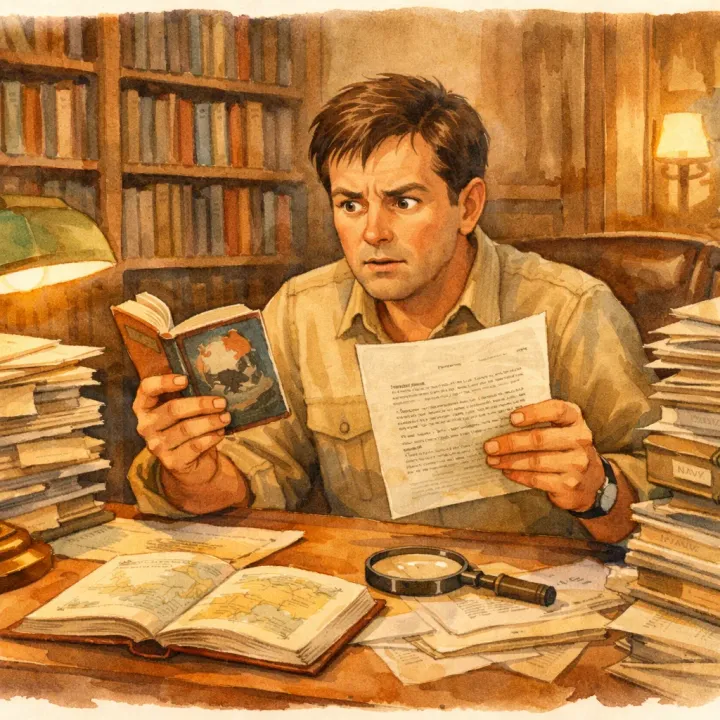
Kusche's Investigation
Larry Kusche checked every case against original Navy reports, weather data, and newspaper archives. He found exaggerated stories, changed dates, and incidents that happened outside the Triangle — or never happened at all.
How the Myth Was Built
The USS Cyclops
The Navy cargo ship vanishes after leaving Barbados with 306 people aboard, including passengers. Its manganese cargo and machinery problems have been investigated, but its exact fate remains unknown.
Flight 19
Five Navy planes and fourteen airmen vanish on a training flight from Fort Lauderdale. A rescue plane with thirteen crew also disappears. The loss becomes the founding story of the legend.
The First Pattern
AP reporter Edward Van Winkle Jones writes a short article connecting several disappearances in the region. It's the first time anyone presents them as a single pattern.
The Name Is Born
Writer Vincent Gaddis publishes "The Deadly Bermuda Triangle" in Argosy magazine. It's the first time those three words appear together in print. The legend has a name.
The Bestseller
Charles Berlitz publishes The Bermuda Triangle, bringing the legend to a wide audience. Later comparisons with original records reveal misleading claims and omitted context.
The Debunking
Librarian Larry Kusche publishes The Bermuda Triangle Mystery — Solved. He checks every case against original records and finds the stories were exaggerated, inaccurate, or fabricated. Lloyd's of London confirms the area is not unusually dangerous.
The People in This Story
Charles Berlitz
A linguist from the famous language-school family. His 1974 book sold over 10 million copies and made the Bermuda Triangle a global phenomenon. He misquoted records, changed dates, and ignored explanations that contradicted his claims.
Larry Kusche
A reference librarian at Arizona State University. He checked accounts of disappearances against reports, weather information and newspaper archives. His 1975 book dismantled the legend fact by fact.
Lt. Charles Taylor
Leader of Flight 19. A combat veteran with 2,500+ flying hours whose compasses failed on a routine training mission. His navigational errors led five planes and fourteen men into the open Atlantic.
The Question That Remains
Larry Kusche challenged the legend in 1975. Official explanations point to ordinary hazards and do not establish a special paranormal danger. Individual losses can remain unresolved without proving the legend.
Was the Bermuda Triangle a genuine mystery that science simply hasn't solved yet — or a myth manufactured by writers and kept alive because people would rather believe a thrilling story than accept a boring truth?
Read the full book to investigate the key clues and competing explanations — then decide for yourself.
Get the Full Book
The complete Bermuda Triangle mystery. 9 chapters of evidence, theories, and a question only you can answer.
Part of the Hoaxes Volume
From fake fossils to trick photographs, we investigate the greatest hoaxes in history — and ask how clever people were fooled for so long.
See all books in this volume →Keep investigating
Check the evidence
What the evidence supports
Ships and aircraft have been lost in this busy region. The Navy’s Flight 19 history examines one loss through records and search evidence.
Where to be careful
A list of accidents alone cannot establish an unusually dangerous region. You also need traffic levels, a defined area and a fair comparison.
Explore the sources
These selected sources support this guide and offer further reading. Some are written for adults; explore them with a parent or teacher.
The story and illustrations are modern retellings. Imagined scene details are not historical evidence. These sources are a starting point, not citations for every narrative detail.
Evidence guide reviewed 8 September 2026.